


OUR APPROACH

Modernization Without Operational Fragility

Modernization should improve how organizations operate without increasing complexity, dependence, or operational risk. KoN Corporation approaches modernization as an organizational discipline rather than a technology initiative. We help healthcare, legal, and financial organizations modernize technology, workflows, documentation, and operational systems while strengthening the continuity, governance, and resilience required for long-term success.  

Every engagement, framework, assessment, and implementation is guided by a single principle: Modern organizations should become more capable

01 THE CHALLENGE

Technology Alone Does Not Modernize an Organization

Organizations today have access to more technology than ever before.

Cloud platforms, artificial intelligence, workflow automation, communication systems, cybersecurity tools, and modern websites all promise greater efficiency and productivity.

Yet many organizations become more difficult to manage after modernization initiatives are complete.

  • Technology is implemented faster than operational systems evolve.
  • Responsibilities become unclear.
  • Documentation falls behind implementation.
  • Knowledge becomes concentrated in a small number of people.
  • New platforms are introduced without governance or long-term ownership.

Instead of reducing complexity, modernization often redistributes it.

Tech Implemented Impulsively 
Unclear Responsibilities

Missed Documentation


Tacit Knowledge
Lack of Governance

02 OUR PHILOSOPHY

What Successful Modernization Should Produce

Modernization should never be measured solely by the technology an organization adopts.

It should be measured by whether the organization becomes:

More
capable
More
visible
Better
documented
Easier to
Manage
Less
dependent on
individuals

Better
prepared for
change

Operational maturity should increase alongside technological capability

Failure to progress together, an a company will become operationally fragile.  This happens because it’s systems, people or processes can not reliably survive disruption or change.


03 THE FRAMEWORK

Every Modern Organization Requires Two Strategic Priorities

Our approach is organized around two complementary strategic concepts.
Neither replaces the other.
Both are required to build organizations capable of operating effectively through growth, disruption, leadership transition, and technological change.

Operational Modernization

Operational Modernization focuses on improving how work is performed by using the latest technology.

It examines workflows, governance, technology adoption, operational ownership, and organizational readiness to create systems that are more efficient, consistent, and scalable.

It answers one fundamental question:

How can the organization operate better today?

Continuity Infrastructure

Continuity Infrastructure focuses on protecting the organization’s long-term operational capability.

It strengthens documentation, institutional knowledge, continuity planning, and organizational resilience so critical functions remain effective through personnel, leadership, technology, and market change.

It answers a second fundamental question:

How will the organization continue operating tomorrow?


04 HOW THE PHILOSOPHY BECOMES SERVICES

Turning Strategy into Operational Improvement

The concepts introduced here are translated into practical consulting through three integrated service pillars.


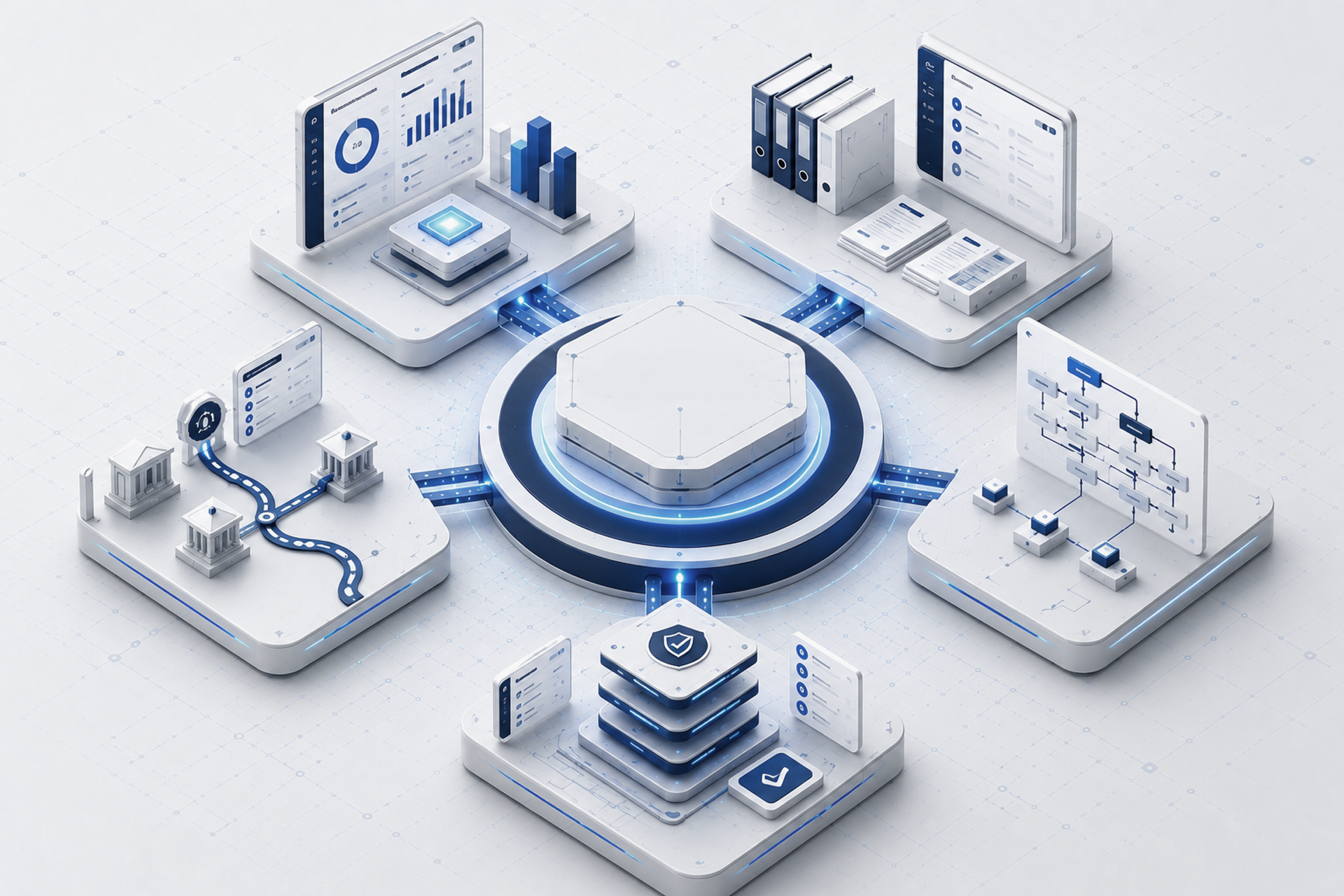
Operational Systems Advisory

Develop governance frameworks, and create structured pathways for modernization and continuity.
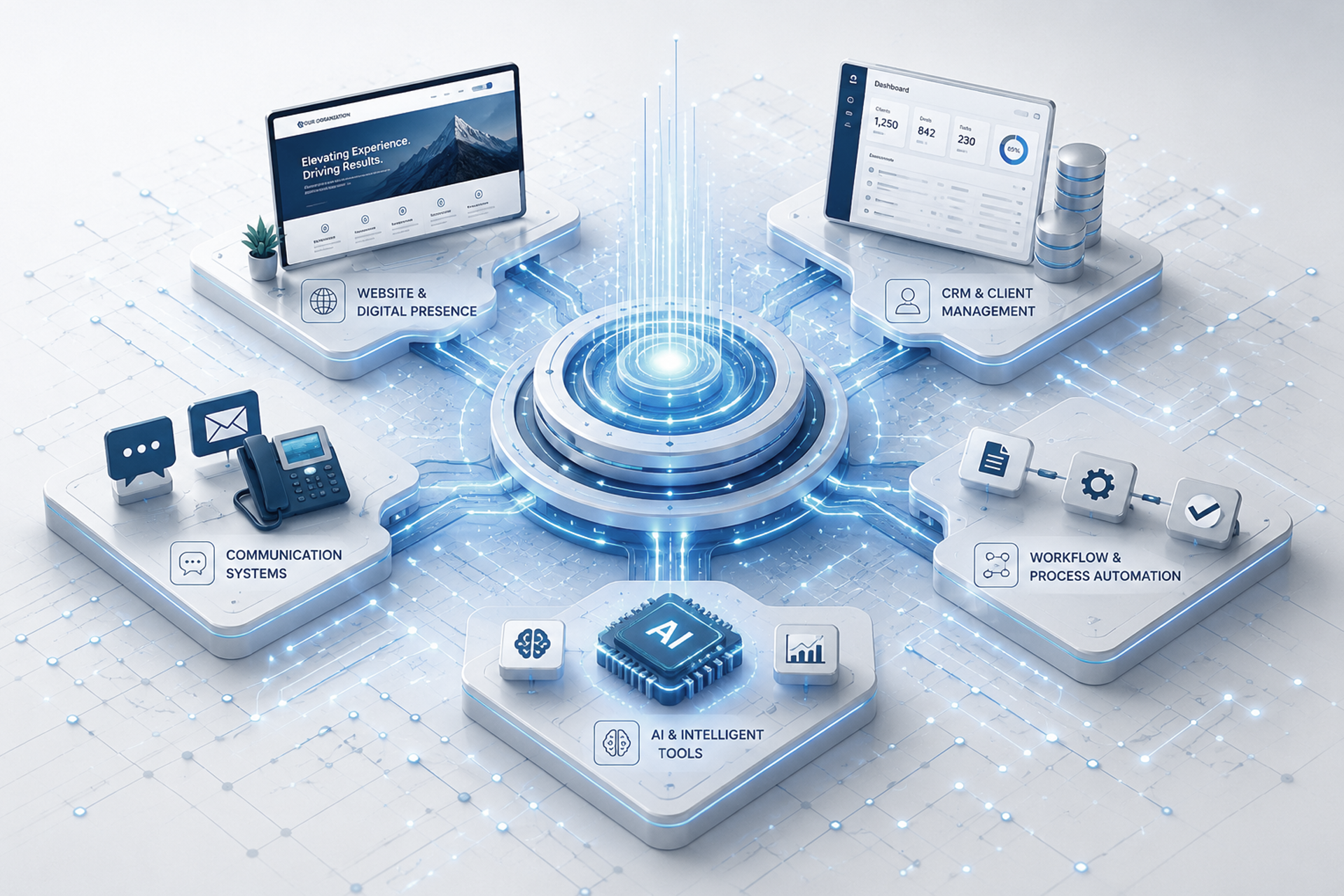
Digital Infrastructure Modernization

Improve operational effectiveness through structured digital modernization, workflow integration, and communication infrastructure.
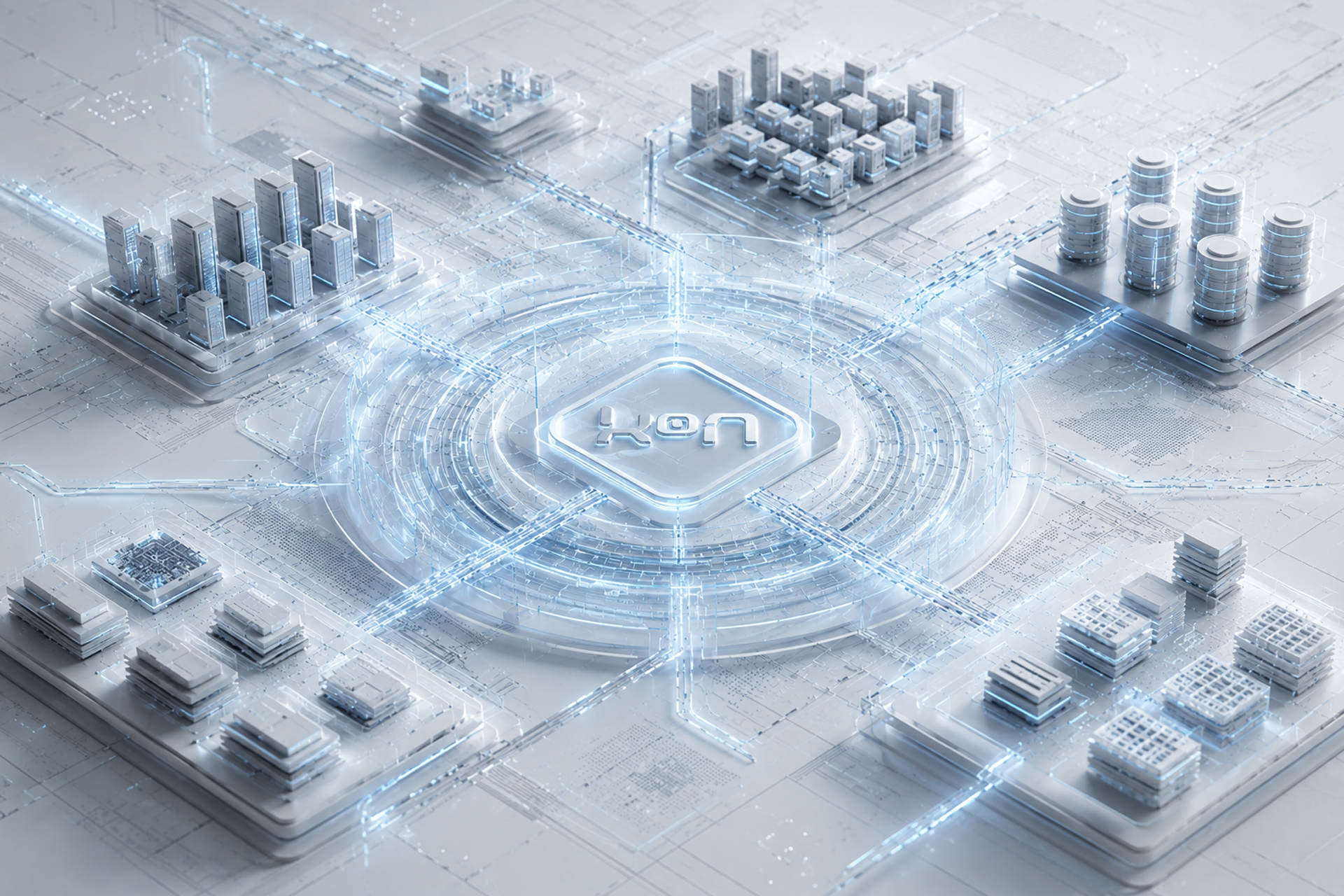
Operational Infrastructure Services

Strengthen operational foundations through structured infrastructure planning, implementation, and support.
05 A COMPLETE MODEL

Modernization and Continuity Are Not Competing Priorities

Organizations often pursue modernization without continuity.
Others preserve continuity while resisting modernization.

Neither approach creates long-term organizational strength.

Modernization improves operational capability.
Continuity preserves operational capability.

Together they create organizations that are more adaptable, more resilient, and better prepared for future change.

Operational Modernization

Continuity Infrastructure

Improves workflows
Preserves workflows
Connects technology
Protects organizational knowledge
Introduces new capability
Reduces operational dependency
Increases efficiency
Maintains long-term stability
Enables change
Sustains change

READY TO START

Prepare Before Transition Forces Change

Financial organizations seeking operational modernization, governance infrastructure, client-continuity planning, workflow assessment, succession preparedness, or structured implementation support may request a confidential consultation through KoN Corporation.